So you have watched a few runs at your local circuit or airfield, and now you want to try drifting yourself. Good news: the UK has a friendly, accessible club scene, and you do not need a high-power missile to get started. You do need a rear-wheel-drive car that is safe, a realistic budget, and a plan for getting seat time without binning your daily driver on the first lap.
Drifting is hard on cars. Tyres, clutches, cooling systems and diffs all take a beating. The trick is to start small, learn the basics on a low-grip surface, and treat your first year as a learning season rather than a build race.
Choosing Your First Drift Car
Rear-wheel drive is non-negotiable. You can learn in a front-wheel-drive car on gravel or in the wet, but for proper tarmac drifting you want power going to the back. A manual gearbox is simpler and usually cheaper to repair than an old automatic, though some modern autos can work. Beyond that, buy the best shell you can find.
Common UK starter choices include the Mazda MX-5, BMW 3 Series (E36 and E46), Nissan 350Z, and older S-body Nissans. Prices have risen, so do not expect a mint example for pocket change. Rust is the killer. Check sills, jacking points, rear arches, boot floor and suspension turrets. A mechanically tired car with a solid shell is usually a better buy than a shiny car with hidden rot.
What to look for
- Rear-wheel drive and a manual gearbox.
- A strong aftermarket parts scene.
- Cooling that works: radiator, fans, hoses, oil cooler if possible.
- A welded diff or a healthy limited-slip diff. Welded diffs are cheap and predictable but noisy and not ideal for road use.
- Cheap, common tyre sizes. You will go through rear tyres quickly.
- No serious crash damage or structural rust.
Power is not the priority. A standard 1.8 MX-5 or a 2.5-litre BMW has enough to learn on. More power means more heat, more broken drivetrain parts, and more expensive mistakes. Spend your money on tyres, brakes, seat time and safety, not a turbo kit.
Licence, Insurance and the Law
Drifting on public roads is illegal and dangerous. You need private land, an airfield, or a licensed circuit. Most UK drift days require a full driving licence, but check with the organiser because rules vary. You do not need a competition licence for a basic practice day.
If your car is road legal, it needs valid MOT, tax and insurance. Tell your insurer about every modification: coilovers, welded diff, bucket seats, engine swaps, the lot. A standard policy may be void if you fail to declare modifications. Track use is almost always excluded, so look into specialist track-day or motorsport insurance if you want cover on circuit. That is a legal and financial area where it pays to speak to a specialist broker rather than guess. If you are unsure, seek professional advice.
Safety and Preparation
Before your first day, sort basic safety. A helmet is usually required. Check the venue’s rules on clothing: long sleeves, long trousers, covered shoes. Some clubs require fire extinguishers, tow straps, and a battery cut-off switch for more advanced days. For a novice day, a well-maintained car, a helmet and a fire extinguisher are a sensible start.
Prep the car like you are going to abuse it, because you are. Fresh oil, good coolant, working brakes, decent pads, and no leaks. Bring spare rear wheels and tyres, a jack, axle stands, wheel brace, torque wrench, zip ties, oil, coolant and water. A tyre pressure gauge is essential; rear pressures affect how easily the car breaks traction.
Getting Seat Time: Club Days and Practice
The best route into UK drifting is a novice or practice day. Search for local drift clubs, airfield days and circuit-run sessions. Go and watch one first if you can. You will learn more in an afternoon of watching than a week of reading.
What a typical day looks like
- Sign on, noise test, and briefing. Listen carefully to the rules and flags.
- Drive the course at low speed to learn the layout.
- Start with simple exercises: doughnuts, figure of eights, and short transitions.
- Build up to linking corners as your confidence and car control improve.
- Cool-down laps, check tyre pressures, and top up fluids.
Ask questions. Instructors and experienced drivers are usually happy to help. Be honest about your experience. If you spin, keep your foot off the brake, clutch in, and wait for the marshal’s instruction. Do not drift in the paddock or on access roads. You will be asked to leave.
Realistic UK Costs
The entry fee is rarely the biggest cost. Tyres and fuel will dominate your budget, especially if you are learning on a tight, abrasive circuit. A set of part-worn rear tyres might be cheap, but you may need several sets in a day. New performance tyres are much more expensive, so most beginners run part-worns or budget tyres on the rear.
- Car purchase: the biggest upfront cost. Buy within your means and keep a contingency fund.
- Safety gear: helmet, gloves, shoes, and possibly a fire extinguisher.
- Maintenance: oil, filters, brake pads, fluids, clutches, diffs, bushes.
- Tyres: your main consumable. Budget for more than you think.
- Fuel: towing vehicle and drift car.
- Entry fees: varies by venue and day type.
- Transport: trailer hire, fuel, or a friend with a tow bar.
- Breakdowns: recovery, spare parts, and lost track time.
Prices change by region and venue, so check current quotes rather than relying on old forum posts. A general rule: if you can only afford the entry fee, you cannot afford the day. Add money for tyres, fuel, food and a buffer for breakages.
Spend your money on seat time and tyres, not power.
Your First Season: Keep It Simple
Set a goal for your first year: learn to initiate a drift, hold a doughnut, link two corners, and drive home. Do not chase power or a perfect build. Pick one club and do three or four days. Make friends, help in the paddock, and ask for passenger rides. The UK drift scene is built on people sharing knowledge and spare parts.
Keep your road car separate if you can. If you cannot, accept that drifting will wear it out. Buy the best shell you can afford, keep it simple, and spend the rest on tyres and seat time. That is how you actually get good.
Finally, check the rules at every venue before you go, tell your insurer the truth, and if you are unsure about legal or financial matters, take proper professional advice. Then get out there and enjoy it.
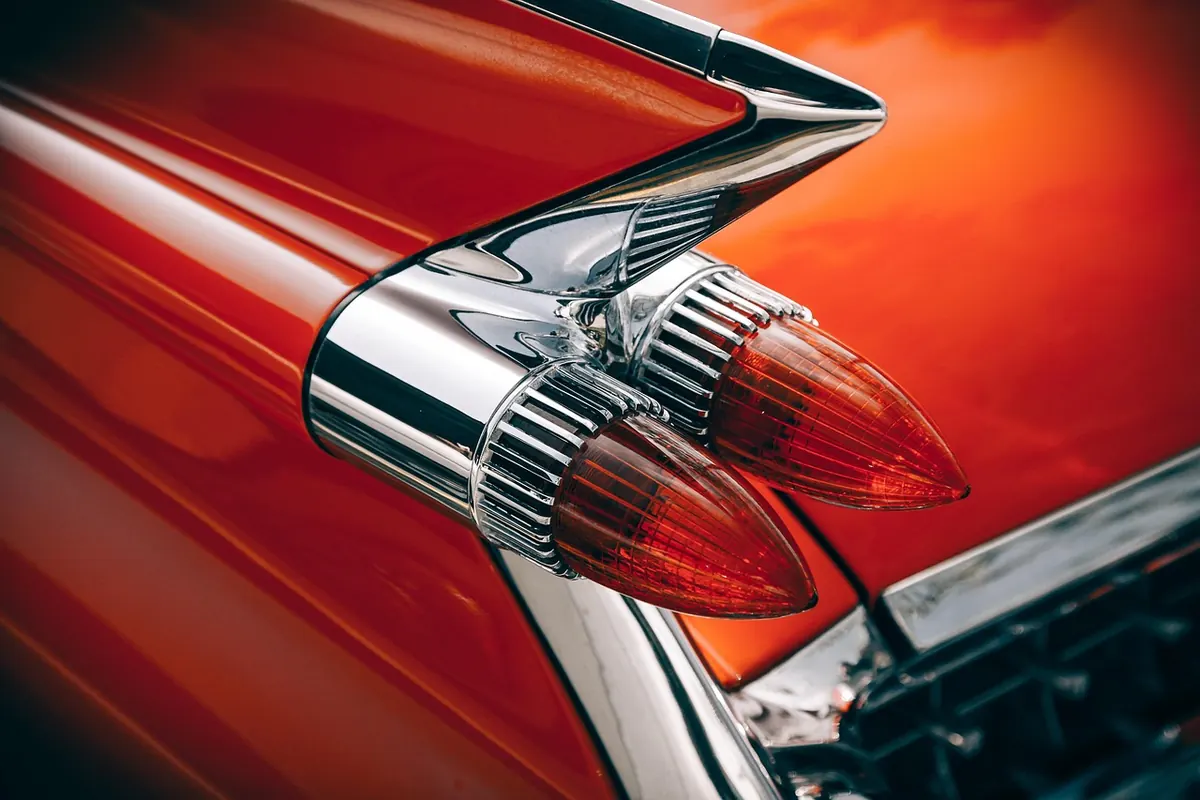
Photo: RJA1988 / Pixabay