Five thousand pounds is an awkward number in the drift world. It's too much to buy blind, and nowhere near enough for the hero cars everyone posts about. It is, however, the sweet spot where a carefully chosen rear-wheel-drive coupé, a socket set and a friendly welder can turn into a car you'll actually slide for a couple of seasons. The trick is picking something that parts shops still stock, that hasn't dissolved from underneath, and that leaves room in the arches and the engine bay for the usual upgrades.
What Actually Matters at This Budget
Ignore badge snobbery and forget lap times. Three things decide whether a cheap drift car is a bargain or a hole in your bank account.
- Parts availability. Can you buy a clutch, radiator, brake discs and coilovers off the shelf, or are you hunting breakers for a fortnight? If a car needs unobtainable parts just to pass an MOT, walk away.
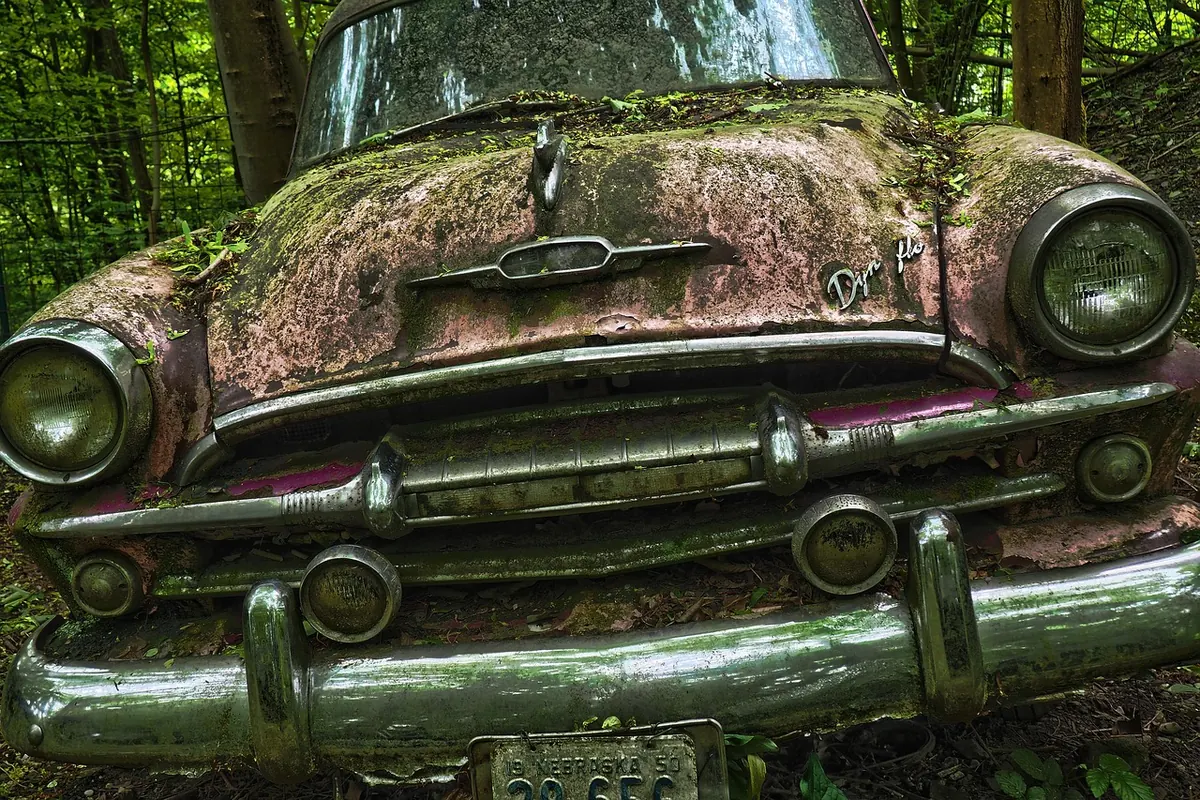
- Rust. British salt kills more project cars than missed gearshifts ever will. Sills, jacking points, rear arches and subframe mounts are the places to check with a magnet and a screwdriver.
- Drivetrain and diff. Rear-wheel drive is non-negotiable, a manual gearbox is strongly preferred, and you need a plan for the differential — either a factory limited-slip unit or a welded diff on a dedicated track car.
Keep roughly a fifth of your budget back for tyres, brakes, fluids and welding. A £4,000 car with £1,000 of sorting will be more fun than a £5,000 car that eats its first set of tyres and then needs a clutch.
BMW E36 and E46: The Sensible Default
If you want the easiest life, buy a straight-six 3 Series. The E36 328i and the E46 325i, 328i and 330i all give you a smooth, torquey engine, a proper manual gearbox and a chassis that responds well to good coilovers. Parts are everywhere — motor factors, main dealers, breakers, owners' groups — and prices are reasonable because so many were built.
Both have known weak spots. The E36 rusts around the sills, rear arches, jacking points and boot floor, and it's the older, simpler car to repair. The E46 rusts in similar places plus its front wings and brake lines, and the rear axle carrier panel in the boot floor can crack — check it thoroughly, or budget for reinforcement plates. E46 cooling systems are another common failure, so treat the expansion tank and thermostat housing as service items.
Most non-M cars left the factory with an open differential. For a road car, find one with a factory limited-slip unit or budget for an aftermarket one. A welded diff is cheap and predictable on track, but it makes car parks a chore and you must declare it to your insurer — many won't cover it.
Mazda MX-5: Still the Best Place to Learn
Nothing at this money teaches car control as cheaply as an MX-5. The Mk1 and Mk2 are light, forgiving and have the biggest and friendliest owner community in the country, which matters more than you'd think when you're stuck at 10pm with a snapped bolt.
Power is modest, so you learn momentum rather than relying on boost. That's a good thing. Some 1.8 models came with a limited-slip differential, and there's no shortage of coilovers, roll bars, bucket seats, angle kits and forced-induction kits on the market.
Rust is the whole ball game. Rear sills and arches, front chassis rails and the boot floor all rot from the inside out, and a fresh underseal can hide anything. Take a magnet and a small screwdriver, and be prepared to pay a specialist to inspect a car before you hand over cash. A hardtop is worth having too — the soft tops leak, and a damp interior ruins seats and wiring.
Lexus IS200, GS300 and the Left-field Picks
The IS200 is the interesting one: a manual six-speed, rear-wheel drive saloon with a straight six that's smooth but slow. Buy a manual if you can, and accept that you're buying the chassis, not the engine. Rust shows up in the rear arches and sills, and parts are pricier than BMW equivalents.
The GS300 and Toyota Soarer give you the non-turbo 2JZ, which is strong and takes well to a turbo build — but that build costs real money, and both cars are heavy automatics unless you budget for a conversion. A heavier car is harder to learn in, not easier.
- Volvo 240, 740 or 940 Turbo. Tough, simple, easy to weld and surprisingly happy to go sideways. Check the underside and the rear arches.
- Mercedes 190E or older C-Class. Comfortable and rear-wheel drive, but rust and parts costs can bite. Inspect the front wings and jacking points carefully.
- BMW E39 5 Series. A big, cheap skid platform with the same straight-six appeal. Rust and tired electrics are the usual problems.
The Tempting Bad Ideas
Nissan 200SX prices have climbed well past this budget for anything tidy, so at £5,000 you're generally looking at rough projects, non-runners or seriously corroded shells. The SR20DET engine is superbly supported, but body and subframe parts are getting scarce. Older Skylines with the non-turbo RB25 follow the same pattern: the engine is fine, the shell is the problem.
The Mazda RX-8 deserves its own warning. It's cheap, genuinely quick and has a superb chassis, but the rotary engine needs a compression test before money changes hands, burns oil by design and costs more to rebuild than the car is worth. As a second car for someone who enjoys spannering, it's brilliant. As your only transport, it isn't.
The Ten-Minute Buying Checklist
- Check the MOT history online before you travel — advisories for corrosion tell you a lot.
- Look underneath in daylight, not in a dim garage, and press hard on the sills.
- Test the rear arches, boot floor and jacking points with a magnet.
- Drive it and listen for a worn propshaft or differential whine.
- Check the clutch bite and whether the gearbox crunches into second.
- Confirm which differential the car has — ask, then verify.
- Ask what's been modified and whether the insurance company knows.
- Ring a specialist insurer for a quote before you buy, not after.
First Month With a Cheap Drift Car
Once it's yours, resist the urge to order coilovers immediately. Change the oil, coolant, brake fluid and diff oil first. Fit fresh brake pads and decent tyres, then get a proper wheel alignment — a car that tracks straight and stops well is far easier to learn in.
Book an organised drift day at a proper venue rather than practising anywhere public. Drifting on the road is illegal, endangers other people and gets venues and events shut down for everyone. On the day, start with figure-eights and don't chase angle until you can hold a steady circle. Sort safety before style: a well-mounted seat, a working handbrake and a battery that's properly secured matter more than another 20 horsepower. Speak to a specialist insurer about modifications before you make them, because an undeclared engine swap or welded diff can leave you without cover when it counts.
Photo: Pexels / Pixabay